


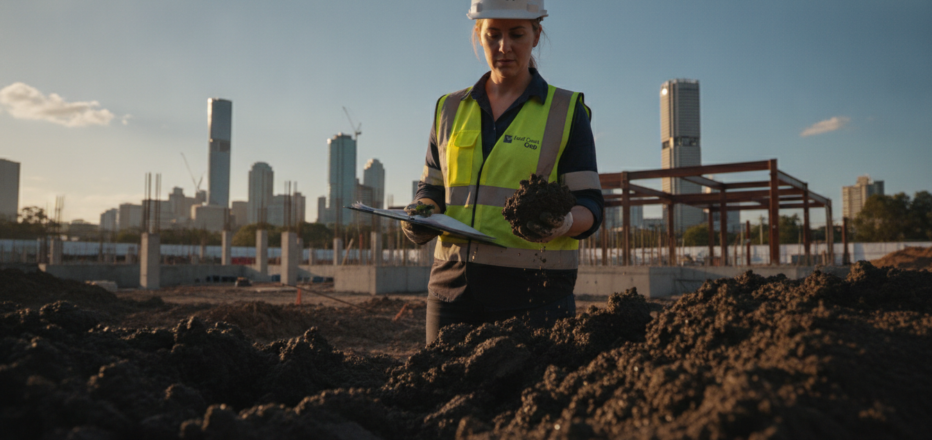
Imagine nearly 20 per cent of Australian homes sitting on ground that changes with the seasons. Many of these homes are in Queensland’s capital. This is why local builders often talk about “blackjack” clay when planning a new build or renovation.
This ground type gets bigger when it’s wet and smaller when it’s dry. It can move by several centimetres in just one year. This movement puts a lot of pressure on slabs, footings, and walls.
Getting the groundwork right is crucial. It’s not just a technical task for engineers. It’s what keeps a house solid for generations, not one that gets damaged in a few years.
This article shares a real case from a Brisbane build. It shows how careful engineering kept a home safe from clay movement. By the end, you’ll know how to protect your property, whether you’re building or renovating.
Key Takeaways
- Queensland’s “blackjack” clay changes with moisture, affecting slabs and footings.
- Bad groundwork can cause cracked walls, sticking doors, and expensive repairs.
- Good engineering keeps your home safe from seasonal ground movement for decades.
- A local build case study shows how proper planning avoids structural damage.
- Knowing your block’s clay helps you make better building and renovation choices.
- Investing in quality groundwork saves money and stress in the long run.
1. What Is Blackjack Clay and Why Does It Matter for Brisbane Homes?
Imagine soil that swells like a sponge after rain, then shrinks and cracks under the summer sun. That’s blackjack clay in a nutshell.
This dark, sticky soil sits beneath many Brisbane properties. It behaves differently than sandy or rocky ground. If your home is built on this clay, knowing how it moves is key to protecting your investment. That’s why reactive soil brisbane conditions are a big topic among builders, engineers, and homeowners.
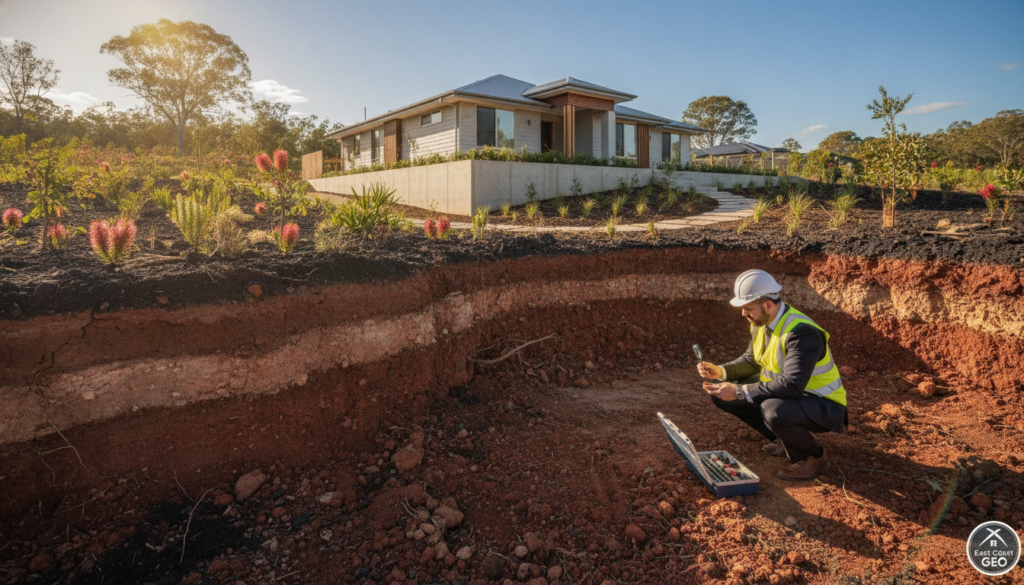
Understanding Reactive Soil Classifications in Australia
Australia uses AS 2870 to classify soil movement. Engineers use this system to design foundations that can handle the ground.
The classifications range from stable to highly problematic. Each one tells builders about the risks involved.
| Soil Class | Reactivity Level | Typical Ground Movement |
|---|---|---|
| Class A | Stable (sand/rock) | Minimal, under 10mm |
| Class S | Slightly reactive | 10-20mm |
| Class M | Moderately reactive | 20-40mm |
| Class H1/H2 | Highly reactive | 40-75mm |
| Class E/P | Extremely reactive/problem soil | Over 75mm |
Blackjack clay usually falls between Class H1 and Class E. This is a big range of movement for any foundation to handle without proper design.
Why Brisbane’s Clay Soils Are Notoriously Reactive
Brisbane’s geology creates a perfect storm for reactive ground conditions. Much of the region sits on alluvial deposits and mudstone-derived clays formed over thousands of years near rivers and creeks.
These clay-heavy soils absorb water readily during Brisbane’s wet season, then dry out and contract during long stretches without rain. This seasonal wet-dry cycle repeats year after year, gradually stressing whatever sits on top of it.
Suburbs like Chermside, Kenmore, and much of the western corridor sit squarely within these reactive soil brisbane zones. If your property falls within one of these areas, your foundation design needs to account for this ongoing ground movement from the very start.
2. The Real Cost of Ignoring Reactive Soil Conditions
Reactive clay is sneaky. It doesn’t warn you loudly. Instead, it quietly damages your home over time. By the time you notice, the damage has been building for years.
Knowing what to look for and the cost of fixing it helps you act fast. Catching problems early means avoiding big repair bills.
Common Signs of Foundation Damage from Clay Movement
Brisbane’s clay soils change with the weather. They swell when wet and shrink when dry. This movement puts pressure on your home’s foundation.
- Hairline cracks in brick mortar joints, often stepping diagonally across a wall
- Doors and windows that suddenly stick or won’t close properly
- Floors that feel noticeably sloped or uneven underfoot
- Gaps opening up around skirting boards or ceiling cornices
Each sign alone might seem small. But together, they often mean your foundation is moving.
Financial Impact of Reactive Soil Foundation Failures
Fixing a reactive clay foundation issue isn’t cheap. Costs range from $15,000 to $50,000 or more. This depends on the damage and your home’s size.
On the other hand, a geotechnical assessment during design costs only a few thousand dollars. It’s a much better deal.
“An ounce of prevention is worth a pound of cure.”
That saying is true for Brisbane foundations. Spending on soil testing and design upfront saves money. It also saves you from the stress of watching your home shift season after season.
3. Case Study: A Brisbane Home Built on Blackjack Clay
A 650-square-metre block in Ferny Grove became a lesson for Brisbane homeowners. A family wanted a single-storey brick home, like their neighbours. But, they didn’t know the ground beneath was different.
Property Background and Site Conditions
The block was surrounded by homes from the late 1970s and early 1980s. Footpaths had shifted, and fences leaned. It looked like a typical older suburb.
Two mature gum trees stood near the rear. Their roots pulled moisture from the clay soil. Drainage was poor, with water pooling after rain.
During site clearing, the soil was dark, dense, and sticky. This was a sign of blackjack clay. It made builders question the usual house foundations.
Initial Warning Signs Before Foundation Assessment
Before pouring concrete, red flags appeared. A neighbour’s house had fine cracks and sticking doors. These signs were a warning.
The sticky soil and neighbour’s issues convinced the builder. A standard slab wouldn’t work. Several clues pointed to a problem:
- Hairline cracks above doorways in the neighbour’s house
- Doors and windows sticking in wet seasons
- Uneven or cracked footpaths on the street
- Dark, dense, sticky soil during site clearing
- Mature gum trees near the building site
The homeowners got a full geotechnical assessment. This decision was crucial for the design. It’s a proactive step to avoid costly surprises.
4. Reactive Soil Foundation Design Brisbane Experts Use to Assess Risk
Before designing a foundation for reactive clay, you must know its reactivity level. Every build in Brisbane starts with soil testing, not guesses.
Engineers use this data to predict how much the ground will swell and shrink. They then design footings strong enough to withstand the clay’s challenges.
Soil Testing and Classification Process
Geotechnical engineers start by drilling holes across your site. In Brisbane, clay can vary greatly, so testing multiple spots is crucial.
They test each sample for plasticity index, showing how much the clay expands and shrinks. Moisture content is also measured at different depths, as dry-season readings differ from those after rain.
Lab results help calculate soil reactivity, following Australian Standard AS 2870. This figure determines the depth and strength of your footings.
Determining Class H Soil Ratings and What They Mean
After testing, your site gets a classification from A (stable) to E (extremely reactive). Most Brisbane sites are Class H, meaning “highly reactive.”
A Class H rating means the ground can cause cracks and jam doors if footings aren’t right. It’s a serious rating but not a reason to panic. It guides your engineer’s design.
“Reactive soil doesn’t cause foundation failure — poor design for reactive soil does.”
Class H1 vs Class H2 Soil Classifications
Class H soil has two levels, and knowing the difference is key for footing planning.
| Classification | Ground Movement Range | Typical Footing Approach | Design Implication |
|---|---|---|---|
| Class H1 | 40–60mm surface movement | Stiffened raft slab or shallow piers | Standard reinforced footings usually cope well |
| Class H2 | Over 60mm surface movement | Deep piers, often 2–3 metres or more | Pier and beam systems with suspended floors |
An H1 rating means moderate movement, which a stiffened slab can handle. But an H2 rating signals extreme movement. This often requires a pier and beam foundation to lift your home above the clay.
5. Engineering Solutions Implemented for This Blackjack Clay Site
The soil at this site swells and shrinks a lot, making slab-on-ground construction a bad idea. The geotechnical report showed the site is Class H, which means standard footings won’t work.
The design team came up with a special solution for this problem. They engineered a system that will keep the house stable for years, no matter what the clay does.
Why Pier and Beam Foundation Design Was Selected
A slab on top of the clay is risky because it moves a lot. This movement can be over 40mm in one season.
Pier and beam foundations are better for this site. They go straight through the clay to reach solid ground below.
This design lets the house move with the ground instead of fighting it. It’s a key difference for a house on expansive soil.
Depth and Placement of Foundation Piers
The geotechnical data was crucial for the design. Piers were drilled deep to reach stable ground.
The spacing and size of the piers were based on the house’s load. Load-bearing walls have closer piers, while other areas have wider gaps.
| Pier Element | Specification | Purpose |
|---|---|---|
| Bore depth | 3.2m – 4.5m below natural ground level | Reach stable soil beyond the reactive zone |
| Pier diameter | 450mm standard, 600mm at load points | Match bearing capacity to structural load |
| Spacing | 2.4m centres under bearing walls | Distribute load evenly across the footprint |
| Reinforcement | N16 steel bar cages, full pier length | Resist lateral clay pressure and uplift |
Additional Reinforcement Techniques Used
Just piers aren’t enough. The team added extra measures to protect the house from clay movement.
- Articulated masonry joints that allow brickwork to flex slightly without cracking
- Flexible plumbing connections that absorb ground movement without pipe failure
- Root barriers installed near garden beds to stop trees drawing moisture from beneath the slab
- Stiffened edge beams around the perimeter to resist differential heave at the foundation’s outer edge
These details make the foundation strong against Brisbane’s clay. Every part is based on the site’s soil report.
6. Step-by-Step Build Process: From Design to Completion
Building a home on reactive clay takes careful steps to protect your investment. Each step is crucial, and skipping any is not an option. Here’s how the build went for a Brisbane property, from start to finish.
Site Preparation and Excavation Considerations
Before digging, the site needed special preparation for the clay. Crews removed topsoil in stages to avoid exposing too much clay to the weather.
They used silt fencing and diversion drains to keep water away. They also covered the clay with plastic sheeting before rain, as rain can swell the clay and mess up the piers.
This careful handling of moisture during excavation is key. Skipping it could undo all the engineering work before construction even starts.
Foundation Construction Timeline
Piering work took longer than usual, due to the depth and number of piers. Each pier was drilled, reinforced, and poured one by one. This allowed the concrete to cure properly before moving on.
After the piers were strong, the beam and slab work began. This extra time made the foundation more stable in the long run.
| Construction Phase | Typical Duration | Key Activity |
|---|---|---|
| Site Preparation & Excavation | 3–4 days | Staged topsoil removal, erosion control, moisture protection |
| Pier Drilling & Pouring | 5–7 days | Deep piers drilled, reinforced, and cured |
| Beam & Slab Construction | 4–6 days | Beams tied into cured piers, slab poured |
| Curing & Inspection | 3–5 days | Concrete curing, engineer and council sign-off |
Quality Assurance and Inspection Checkpoints
There were many checkpoints to keep the build on track. The structural engineer checked the pier depths before pouring concrete. This ensured each pier was deep enough.
Council inspectors reviewed the foundation at key points, as required by Queensland laws. An independent certifier also checked for compliance, adding extra assurance.
This detailed inspection process meant no stage moved forward without approval. It shows that a well-managed build on reactive clay needs more than one person’s approval.
7. The Results: How Proper Foundation Design Protected This Home
The real test of any solution isn’t just when it’s built. It’s every season that follows. This Brisbane home has weathered many wet and dry cycles.
The results are clear. No cracks, no sticking doors, no uneven floors.
Performance After Seasonal Soil Movement
Brisbane’s summer storms brought heavy rain, swelling the clay beneath. Winter’s dry heat then shrunk it back.
Yet, the piered foundation remained steady. Homeowners report no movement in doors, windows, or walls.
Floor levels checked months apart showed no shift. This is what good reactive soil solutions aim for—stability no matter the soil’s state.
Compare this with neighbours on standard slab footings. Several have cracked and doors no longer close right.
Cost Comparison: Proactive Design vs Reactive Repairs
Getting the foundation right from the start costs more. But, the savings over time are clear. Reactive repairs can be very costly for Brisbane homeowners.
| Cost Factor | Proactive Piered Design | Reactive Slab Repair |
|---|---|---|
| Upfront foundation cost | $8,000–$15,000 extra | Standard slab cost only |
| Underpinning after damage | Not required | $20,000–$50,000+ |
| Ongoing crack repairs | None recorded | $2,000–$5,000 per event |
| Resale value impact | Positive, structural warranty intact | Negative, disclosure required |
Years of patch repairs add up. The extra cost in proper piering is worth it. Homeowners avoid stress, disruption, and ongoing costs.
This case shows a simple truth. Spending more on real reactive soil solutions at design time saves a lot later. It saves money and gives peace of mind.
8. Protecting Your Own Home from Reactive Clay Damage
Planning a new build or living in an older Brisbane home? Protecting your foundation is key. Asking the right questions can save you from expensive repairs later.
Let’s explore what to ask, watch for, and when to call for help.
Key Questions to Ask Your Foundation Engineer
Before finalising any building or renovation plans, talk to your engineer. These conversations are crucial, and a good engineer will be happy to discuss them with you.
- What soil classification applies to my block, and how reactive is it?
- What foundation system do you recommend, and why does it suit this site?
- How deep will the piers need to go to reach stable ground?
- What drainage measures should I put in place around the slab?
- How will seasonal moisture changes affect this design over time?
A reliable foundation engineer in Brisbane will explain each answer clearly and simply.
Warning Signs Every Brisbane Homeowner Should Know
You don’t need to be an engineer to spot trouble early. Look out for these common signs of clay movement affecting your home.
- Cracks appearing in brickwork, cornices, or plaster walls
- Doors and windows that suddenly stick or won’t close properly
- Uneven or noticeably sloping floors
- Gaps forming between walls and ceilings
- Cracked or lifting paving near the foundation edge
Seeing these signs doesn’t mean disaster is imminent. But together, they suggest a professional check is needed.
When to Call in a Foundation Engineer Brisbane Professional
If you see any of these signs, act fast. Reactive clay problems rarely fix themselves, and early action is cheaper than delayed repairs.
For anyone planning a new build in Brisbane, getting a qualified engineer from the start is wise. It ensures your home can handle the soil’s challenges.
Call us on 07 3713 4900 for an assessment and peace of mind about your foundation.
Your home is a big investment. A quick talk with a Brisbane foundation engineer could save you stress and money in the long run.
9. Conclusion
Blackjack clay isn’t something you can wish away, but it’s also not something that needs to derail your building plans. The Brisbane home in this case study proves the point clearly. What started as a genuine risk turned into a stable, long-lasting result because the right questions got asked early and the right engineering followed.
Good reactive soil foundation design in Brisbane comes down to understanding your site, testing properly, and building a foundation system that matches what the ground actually does throughout the year. Skip these steps and you’re gambling with your home’s future. Get them right and you’re set up for decades without drama.
Every property sitting on reactive clay tells its own story, and yours deserves the same careful attention this case study received. Whether you’re planning a new build, working through renovations, or noticing cracks that worry you, sorting out the soil question now saves you grief later.
Spending a bit more on solid engineering upfront always works out cheaper than fixing a damaged slab down the track. Your home should be built to handle whatever Brisbane’s clay throws at it, not just get through the first few years unscathed.
Call us on 07 3713 4900 today and let’s make sure your foundation is ready for the long haul.
FAQ
What exactly is blackjack clay and why is it such a big deal for Brisbane homes?
Blackjack clay is a dark, sticky soil found in Brisbane’s suburbs. It swells when wet and shrinks when dry. This can stress your house. Knowing about it is key to protecting your home.
How do I know if my block has reactive soil?
You need a soil test done by a geotechnical engineer. They’ll check the soil through boreholes and tests. This tells you if your soil is stable or not.
What’s the difference between Class H1 and Class H2 soil ratings?
Both are reactive, but H1 has moderate movement, while H2 has extreme. This affects how your foundation is designed.
What are the warning signs that my home might already have foundation issues from clay movement?
Look for small cracks in walls, doors that stick, and uneven floors. These signs mean the ground is moving.
How much can reactive clay foundation repair actually cost?
Repair costs can be high, tens of thousands of dollars. But, a good design upfront is cheaper and smarter.
Why would an engineer recommend a pier and beam foundation over a standard slab-on-ground?
Engineers choose pier and beam for Class H sites. It anchors into stable soil, giving your home a solid base.
What other reactive soil solutions are used alongside piering?
Solutions include special masonry, flexible plumbing, and root barriers. These work together to make your foundation strong.
Does building on reactive clay take longer than a standard build?
Yes, it takes longer. Piering needs time to cure, and site prep is needed. But, the stability it offers is worth it.
What questions should I ask a foundation engineer before building or renovating?
Ask about soil classification, recommended foundations, and what’s in the geotechnical report. This helps you make informed decisions.
When should I call in a foundation engineer brisbane professional?
Call one if you see cracks, sticking doors, or uneven floors. Or if you’re planning a new build or renovation. Call us on 07 3713 4900 for an assessment.